Motorcycle Systems
We are driving the evolution of motorcycles through advanced technologies and products, such as electronic fuel injection systems that boast high environmental performance, suspensions that improve steering stability and riding comfort, and brake systems that improve vehicle safety performance.
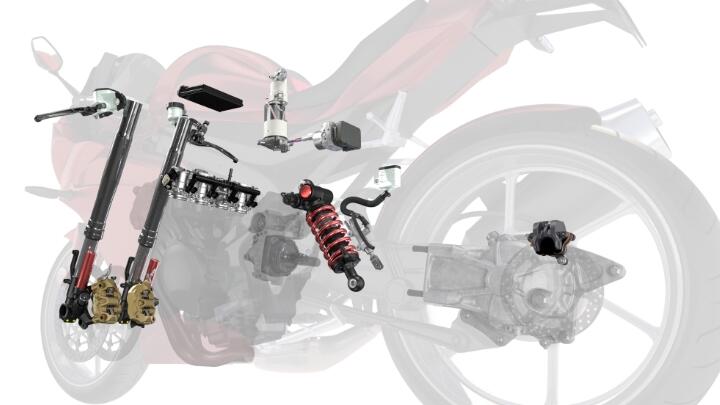
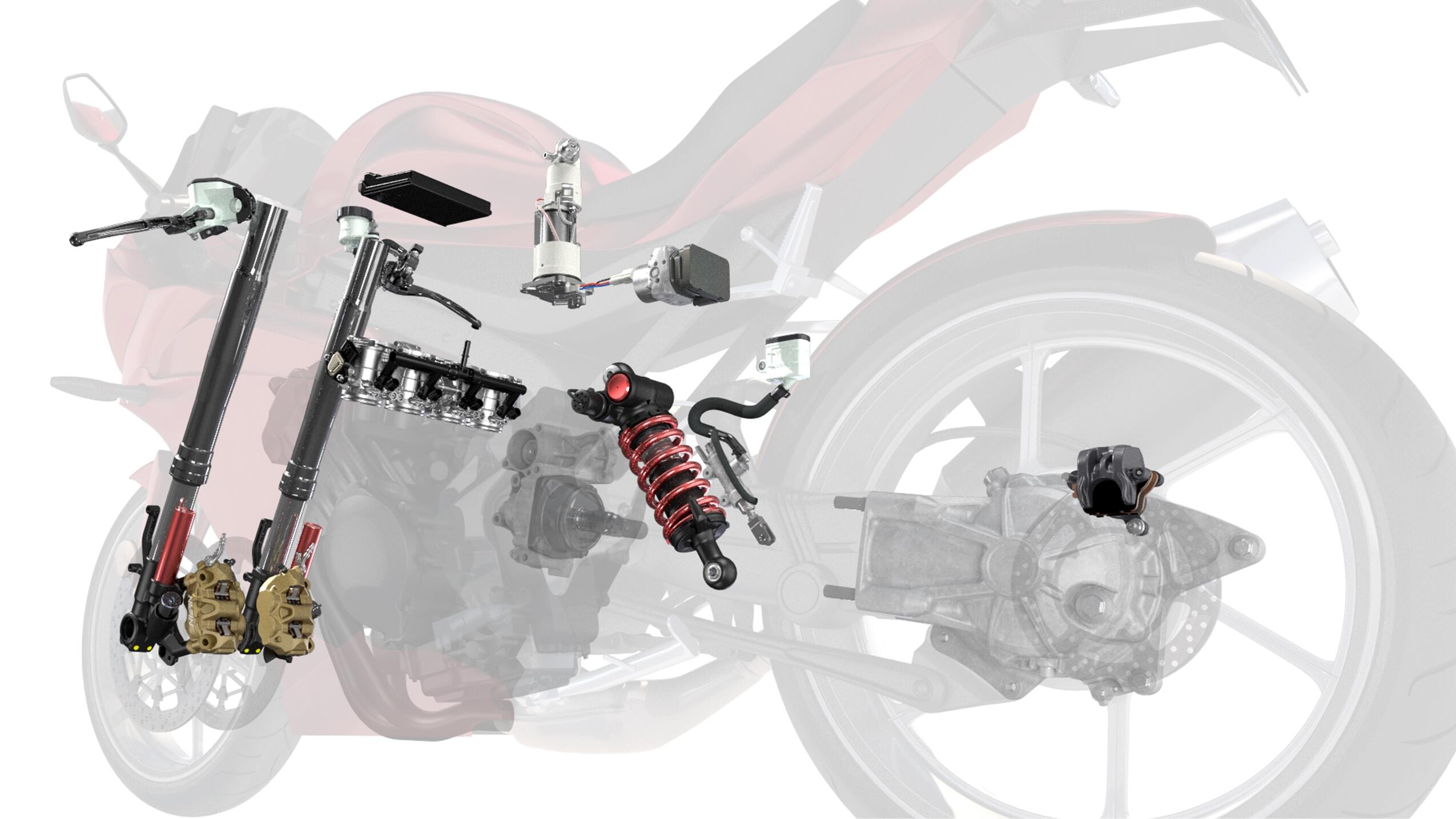
Powertrain Systems
Small Motorcycles
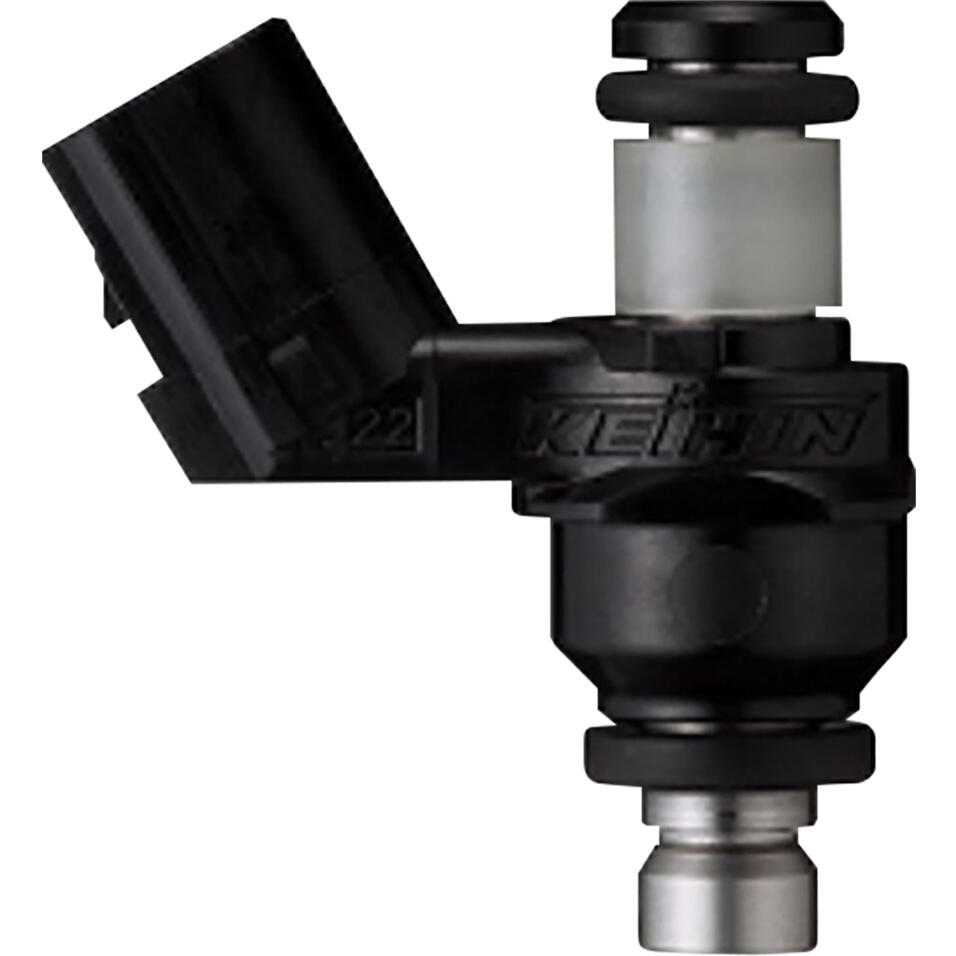
Injector
This injector transfers fuel sent from the fuel pump into the engine port at the command of the ECU. An original magnetic circuit design adjusts fuel supply volume, while a cleverly designed orifice plate allows for a variety of engine port injection configurations. This results in a product that can be installed in a wide range of vehicle models.
ECU: Electronic Control Unit
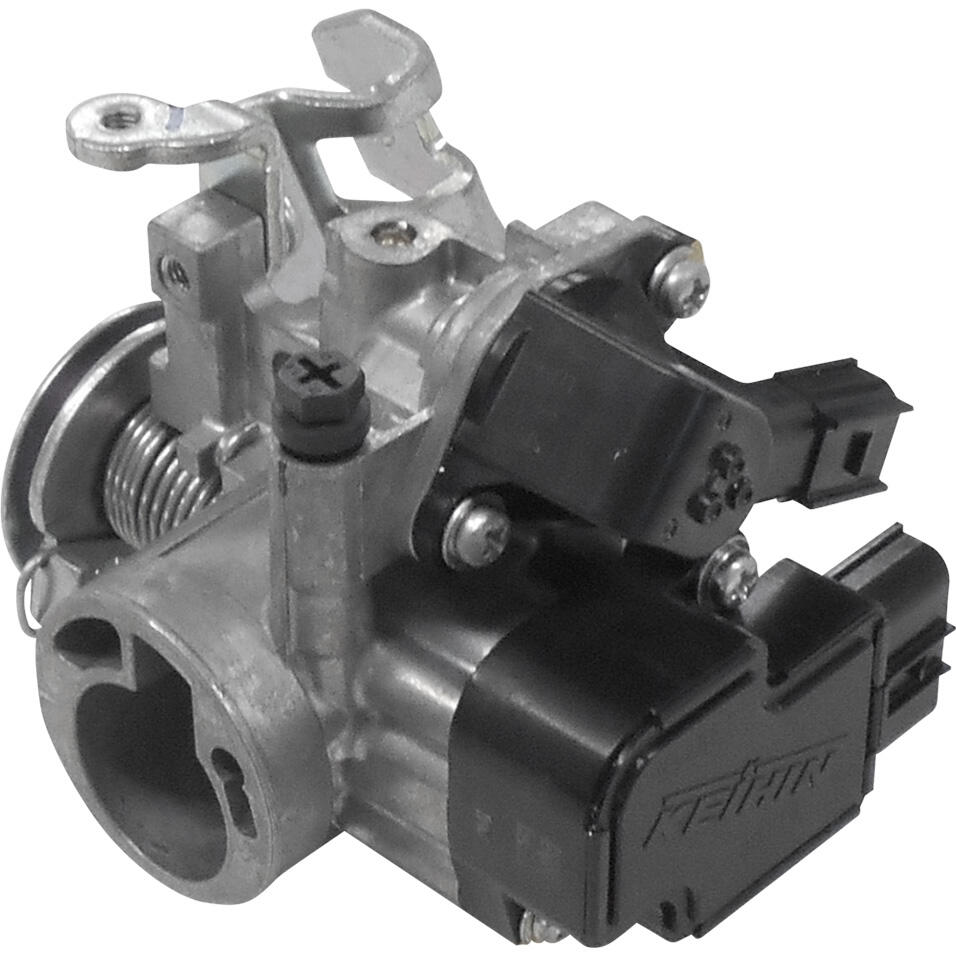
Throttle Body
A throttle position sensor installed on the throttle axis detects the valve opening angle and transmits data back to the ECU. Full use has been made of CAE to create a throttle body that is both stronger and lighter. Optimum starter equipment can be selected for a variety of usage conditions, including local emissions regulations, temperature, and elevation.
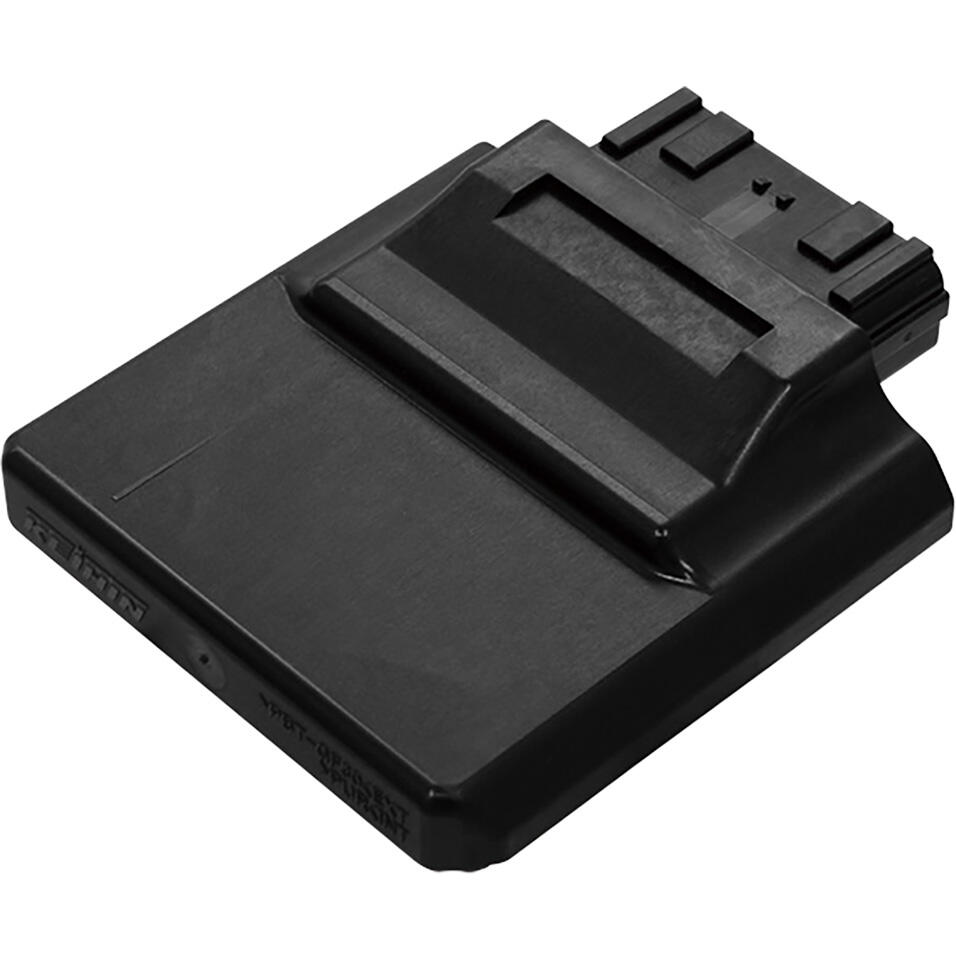
Electronic Control Unit
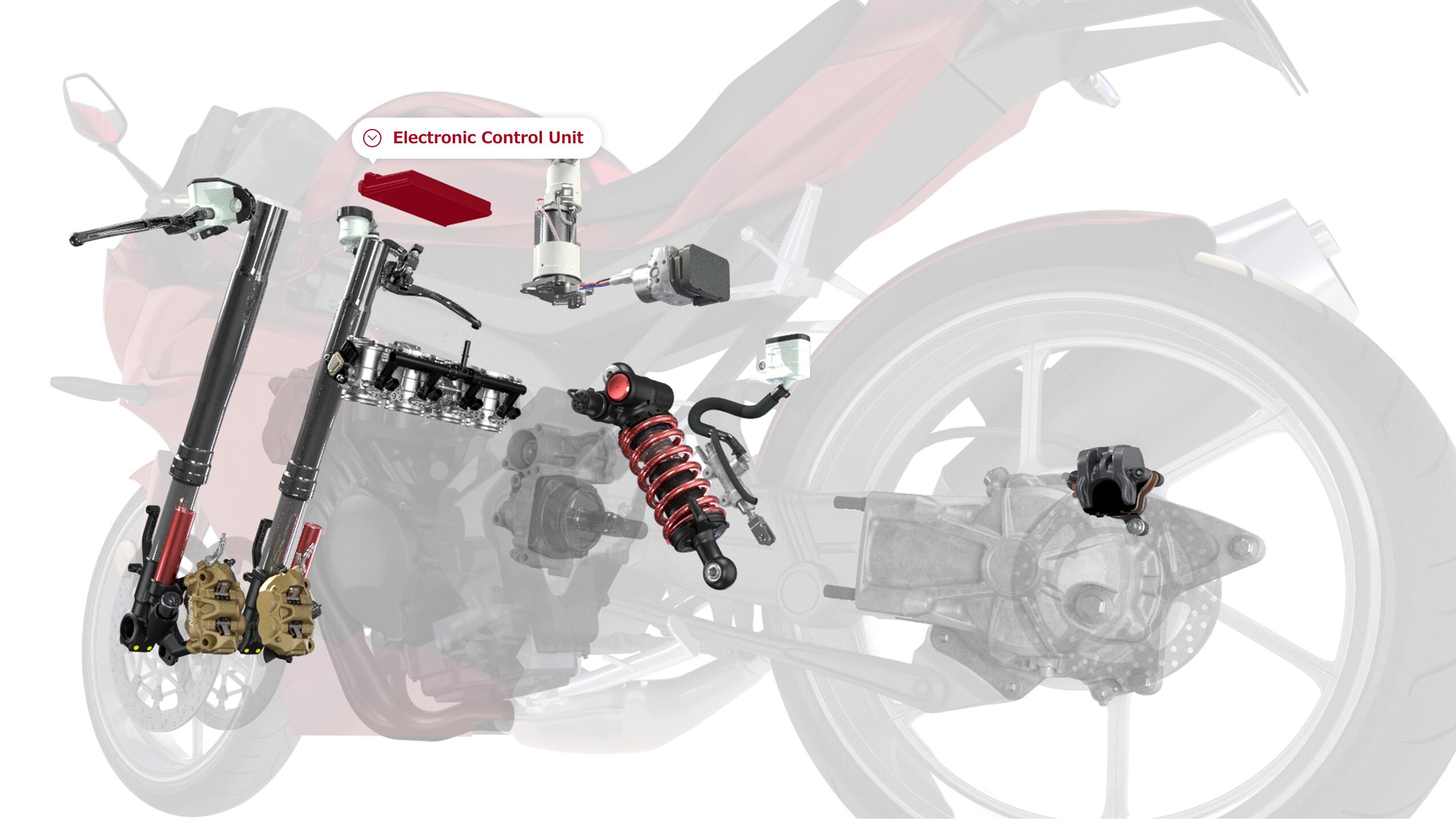
This ECU is used to control the engine. The ECU detects the throttle operation of the rider, the temperature, the air pressure, and other environmental conditions and then issues commands regarding airflow as well as fuel injection, spark timing, etc., to various devices, so that the engine operates in its optimum state. Our ECU for small motorcycles results in a more compact component configuration that makes it one of the smallest ECUs in the world.
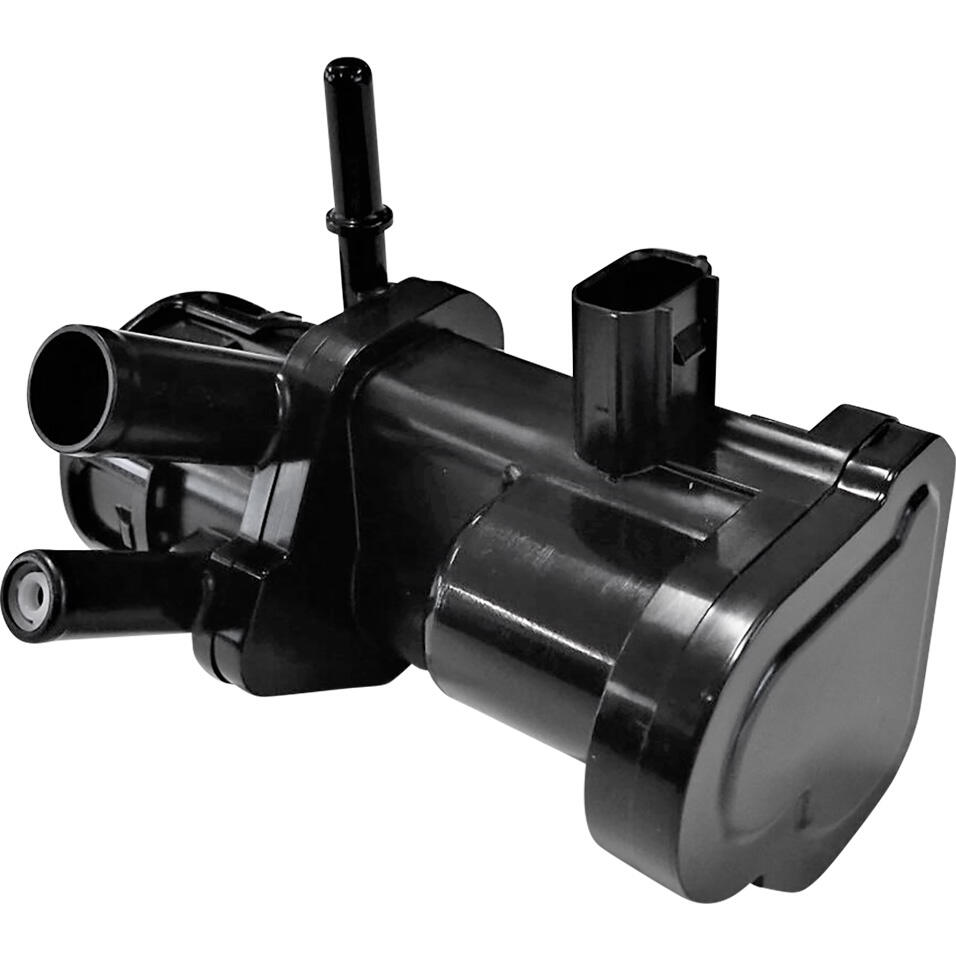
Fuel Pump Module
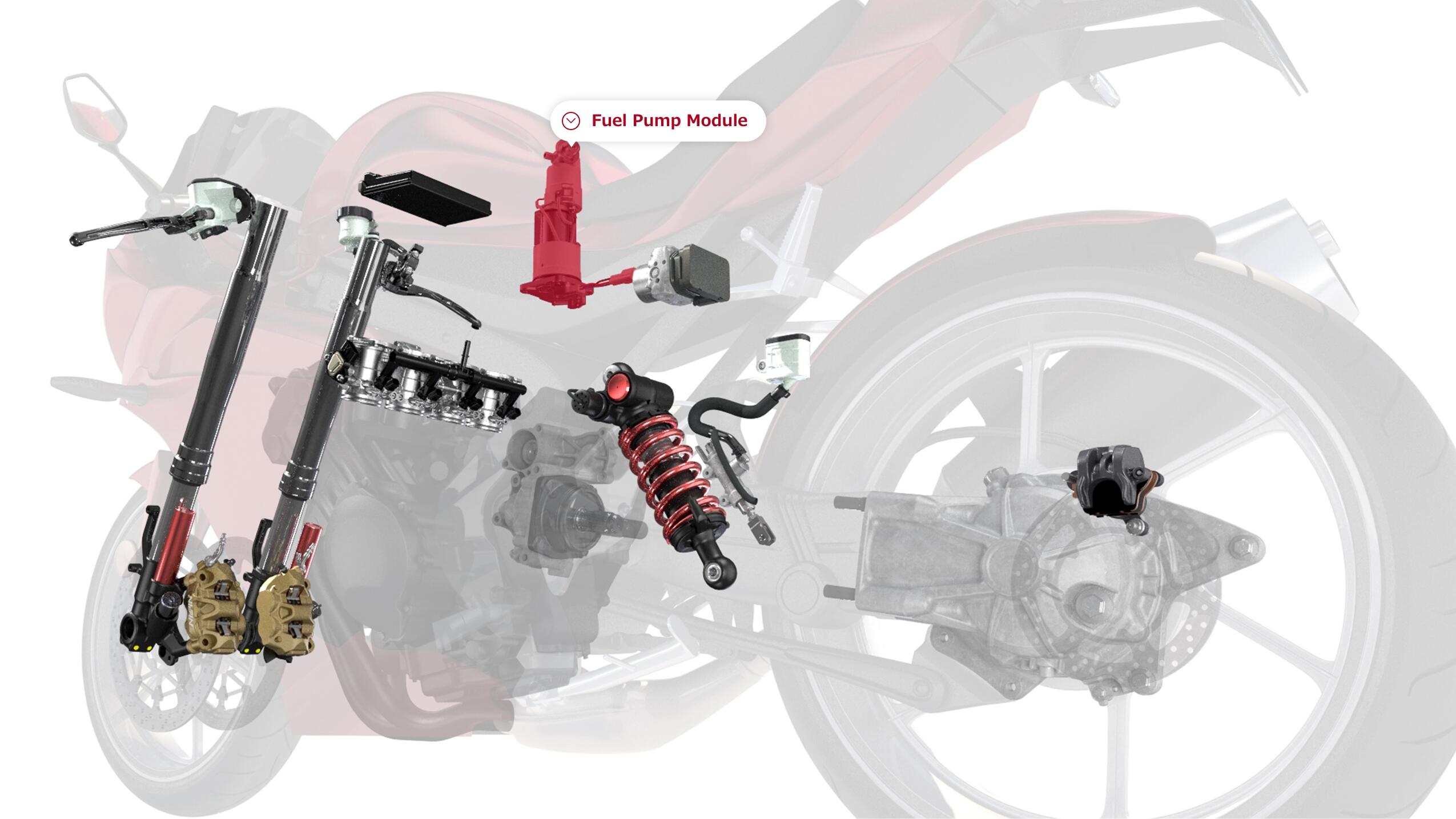
The fuel in the tank is filtered, pressure is boosted by a pump, and fuel is supplied to the injectors by a pressure regulator built into the module. The pump uses a brushless motor to achieve higher life and smaller size. The size of the fuel pump module itself has been downsized so that it can be installed outside the fuel tank (in-line type), making it suitable for fuel tanks of various shapes and sizes.
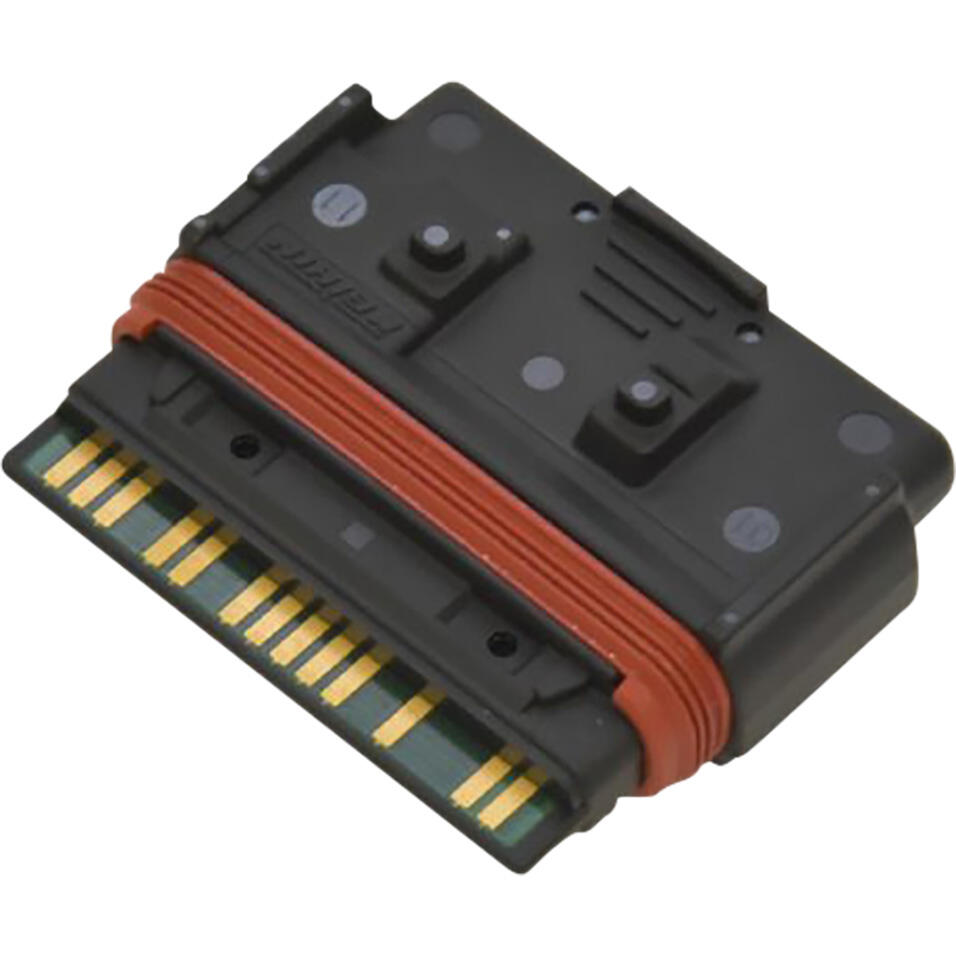
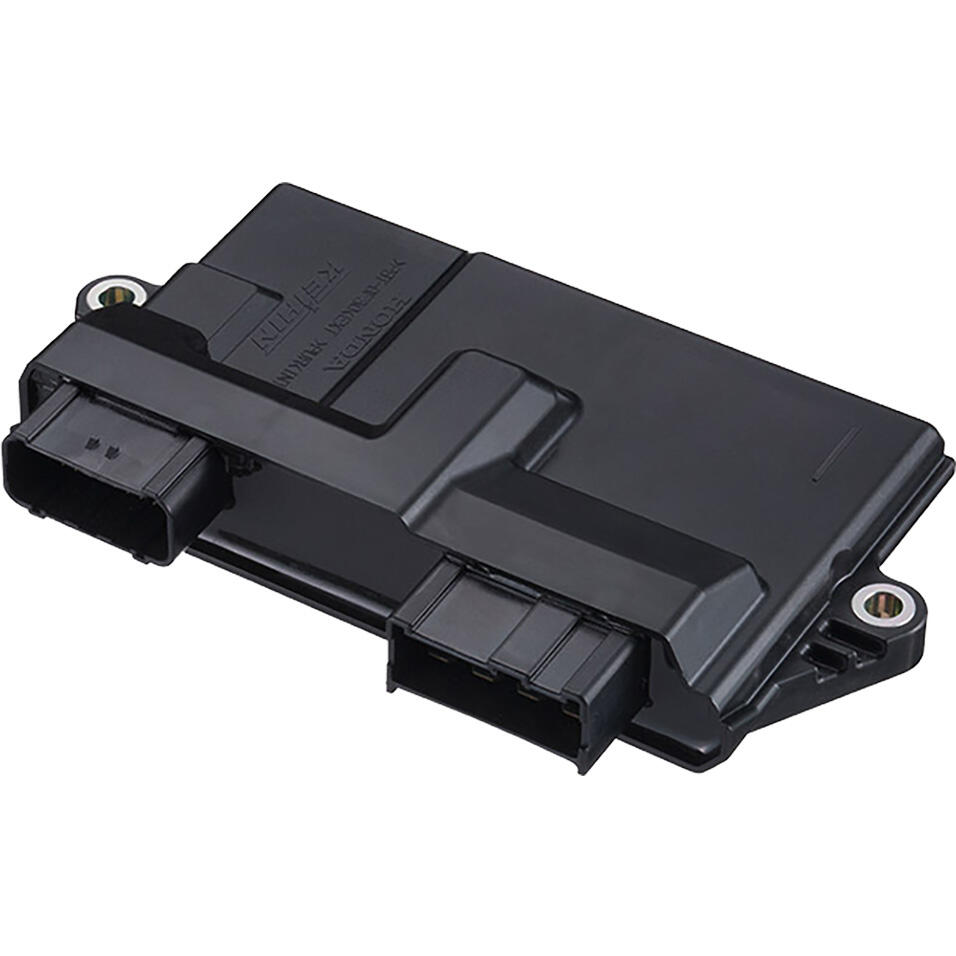
Transfer Mold ECU
This ECU is used to control the engine. The ECU detects the throttle operation of the rider, the temperature, the air pressure, and other environmental conditions and then issues commands regarding airflow as well as fuel injection, spark timing and others to various devices so that the engine operates at its optimum. A card-edge circuit board with connector-linking features, a transfer-molded case, and the new packaging technology eliminate potting resin results in an ECU that is 31% smaller and 46% lighter*. It is so small that it can fit in the palm of your hand.
Note: In comparison with conventional Astemo products.
Electronic Control Unit with ACG Starter Control System
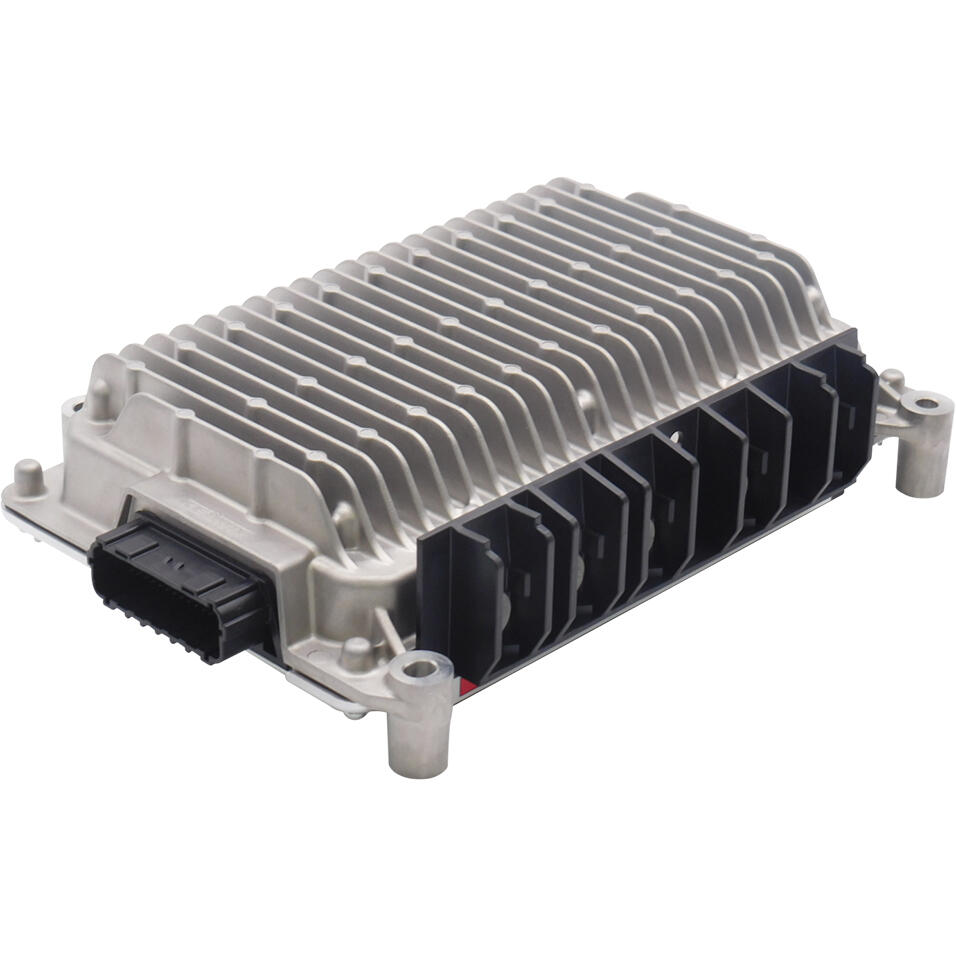
This ECU is compatible with idling shutoff features. The ECU detects the throttle operation of the rider, the temperature, the air pressure, and other environmental conditions and then issues commands regarding airflow as well as fuel injection, spark timing etc., to various devices, so that the engine operates at it’s optimum state. This ECU incorporates the AC generator (ACG) control with conventional ECU functions in a single unit to directly turn over the engine, resulting in a quiet startup and a smooth engine restart after idling shutoff. By conducting precise heat simulation testing to optimize component placement, we have developed this unit, resulting in a heat dissipation structure capable of withstanding a steady flow of ACG current.
Inverter
It achieves low cost, small size and light weight, and provides appropriate output to EV motors for motorcycles.
Along with the original specification control, the proper use of inverter-specific components reduces the load on the battery and enables long-distance running.
Large Motorcycles
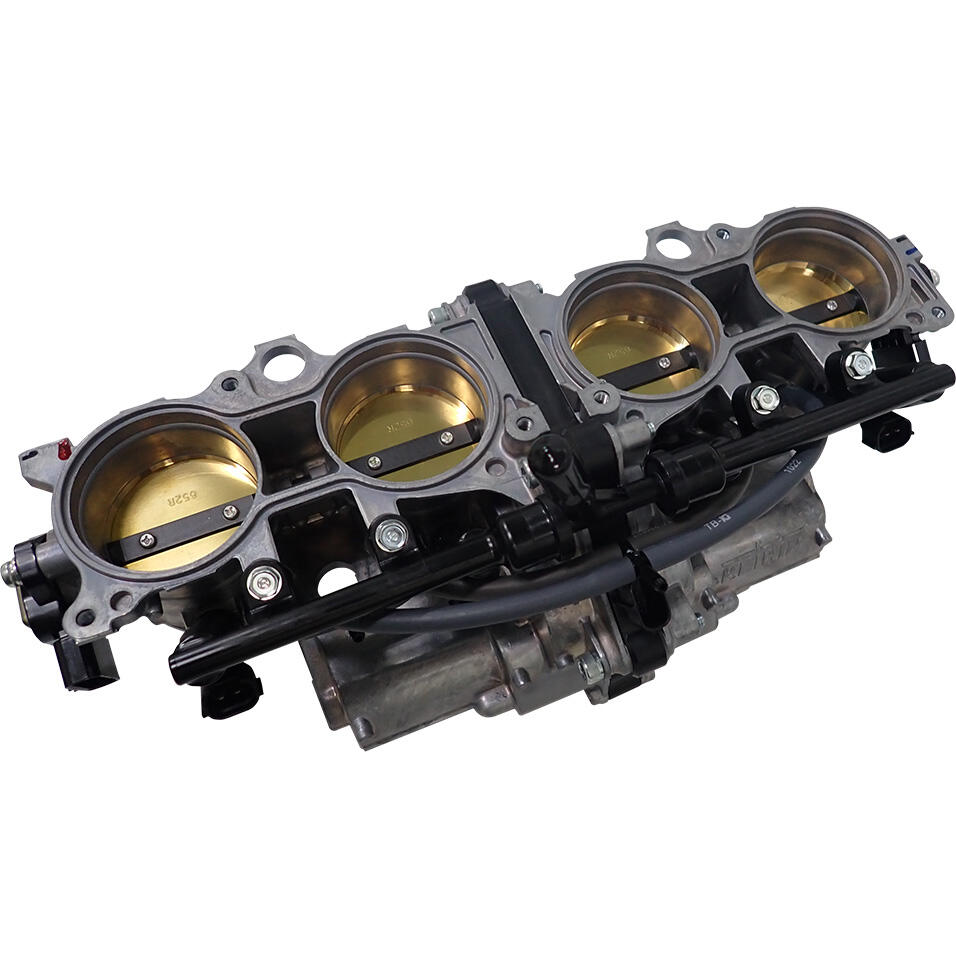
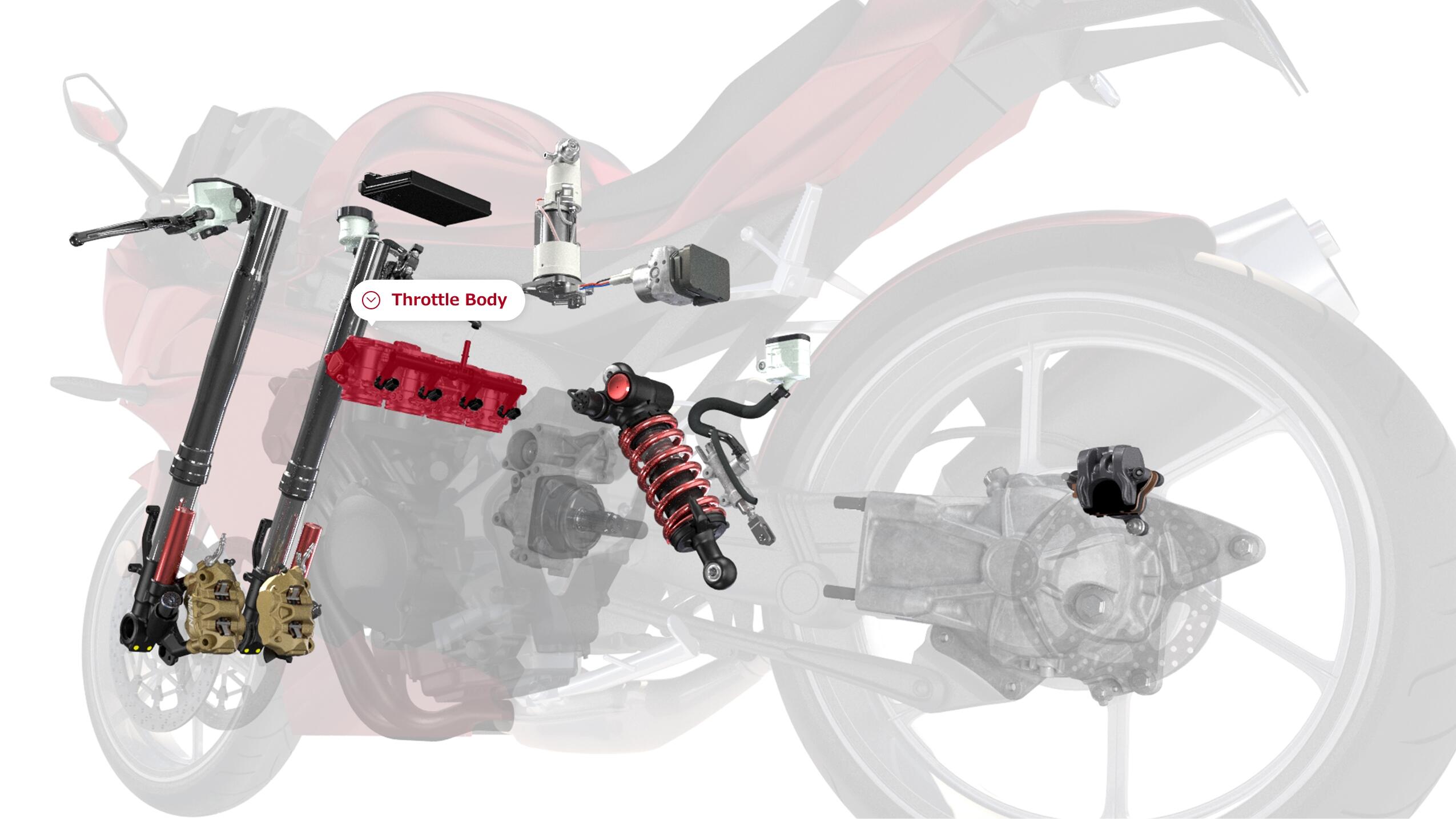
Multi Cylinder Electronic Throttle Body
By using two motors to open and close the throttle valves and control the amount of air supplied to the engine for each of the two cylinders, it is possible to improve controllability during acceleration and increase or decrease engine braking force during deceleration, thereby enhancing drivability in various driving conditions, including racing use. The new model also has a motor and gearbox in the center of the motorcycles.
In addition, the central location of the motor and gears contributes to downsizing and weight reduction.
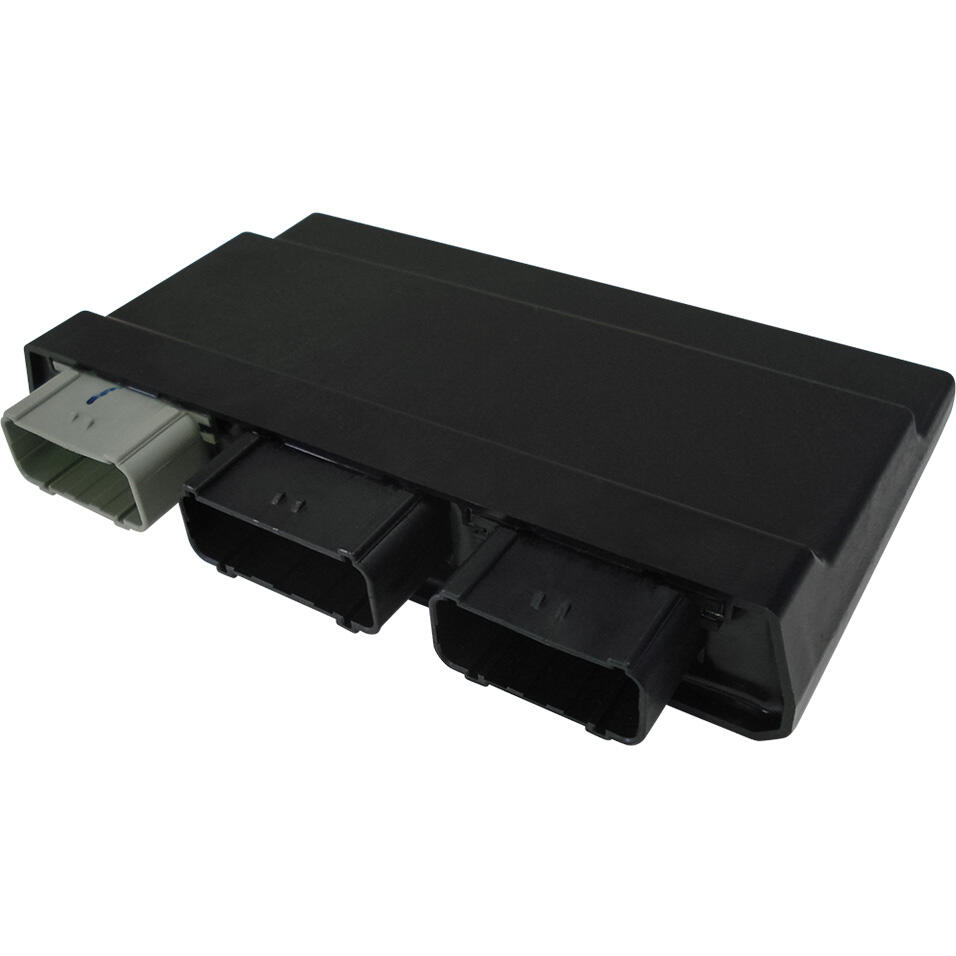
Electronic Control Unit
This ECU is used to control the engine. High-density mounting and optimized component layout plus coordinated control of multiple CPUs allows for the control of drive-by-wire throttle body, dual-clutch transmission, electronic fuel injection system, and a variety of other features in a package compact enough to be installed on motorcycles.
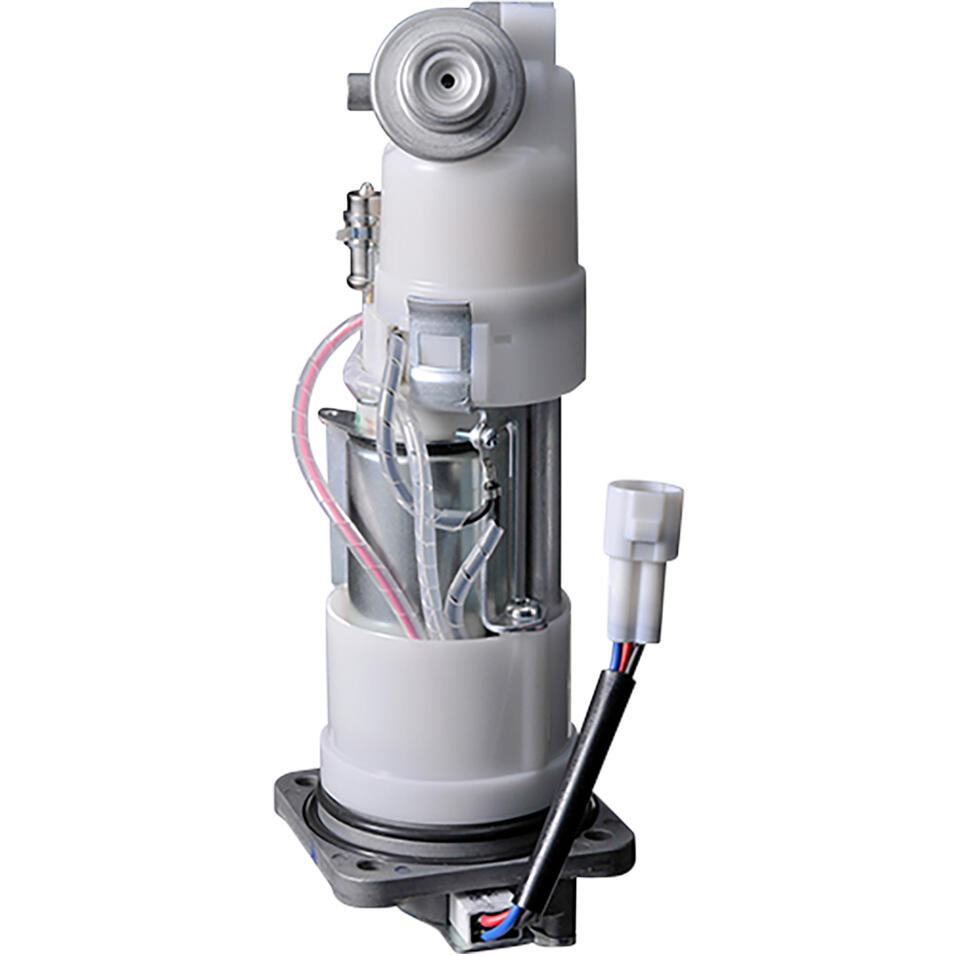
Fuel Pump Module
This module filters fuel from the fuel tank and uses a pump to retrieve fuel from the tank and pressurize it. The module features a built-in pressure regulator to maintain constant pressure for supply to the injectors.
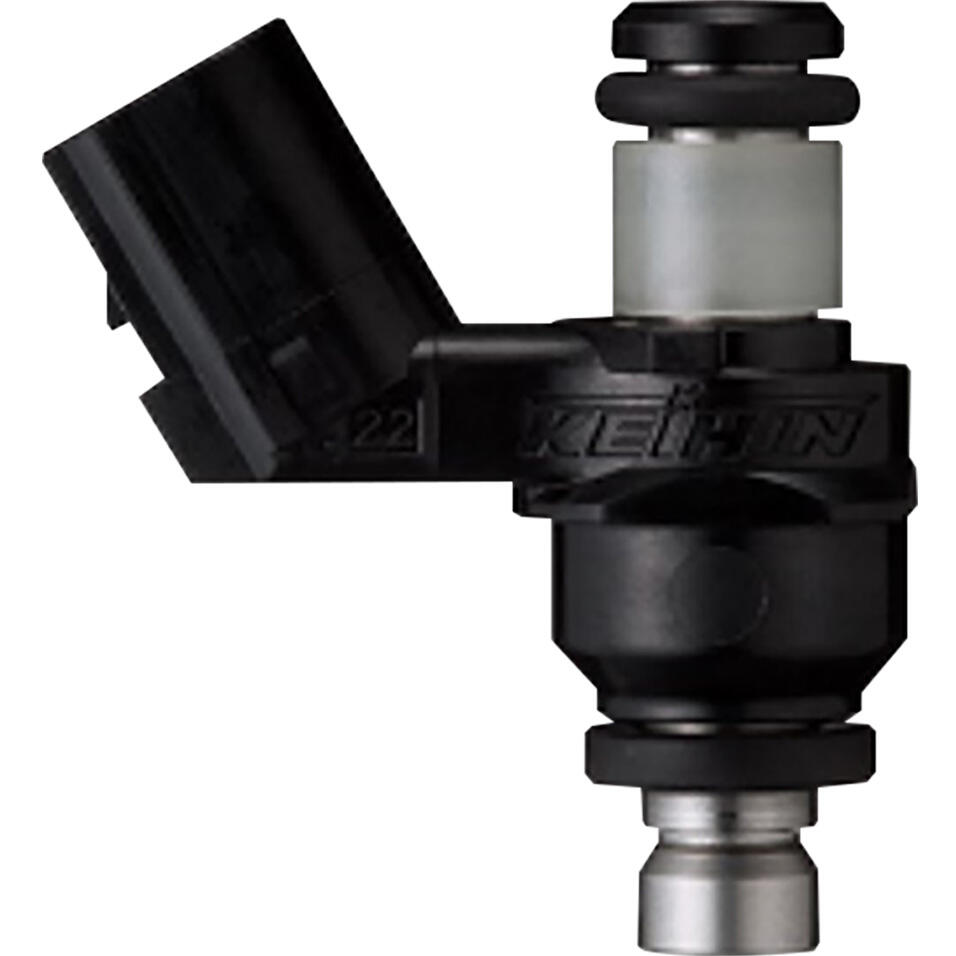
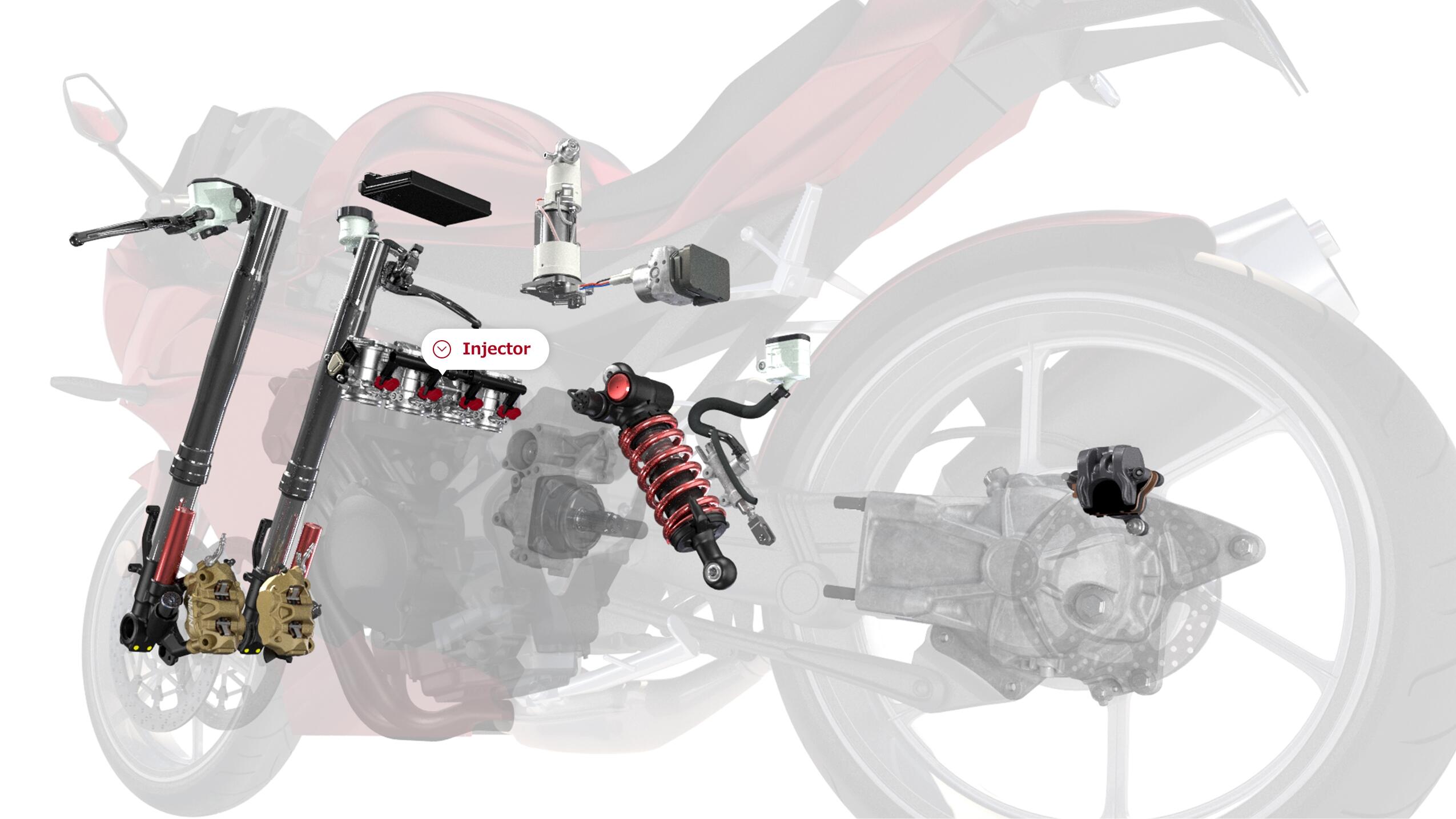
Injector
This injector transfers fuel sent from the fuel pump into the engine port at the command of the ECU. An original magnetic circuit design adjusts fuel supply volume, while a cleverly designed orifice plate allows for a variety of engine port injection configurations. This results in a product that can be installed in a wide range of vehicle models.
Suspension Systems
Front Fork
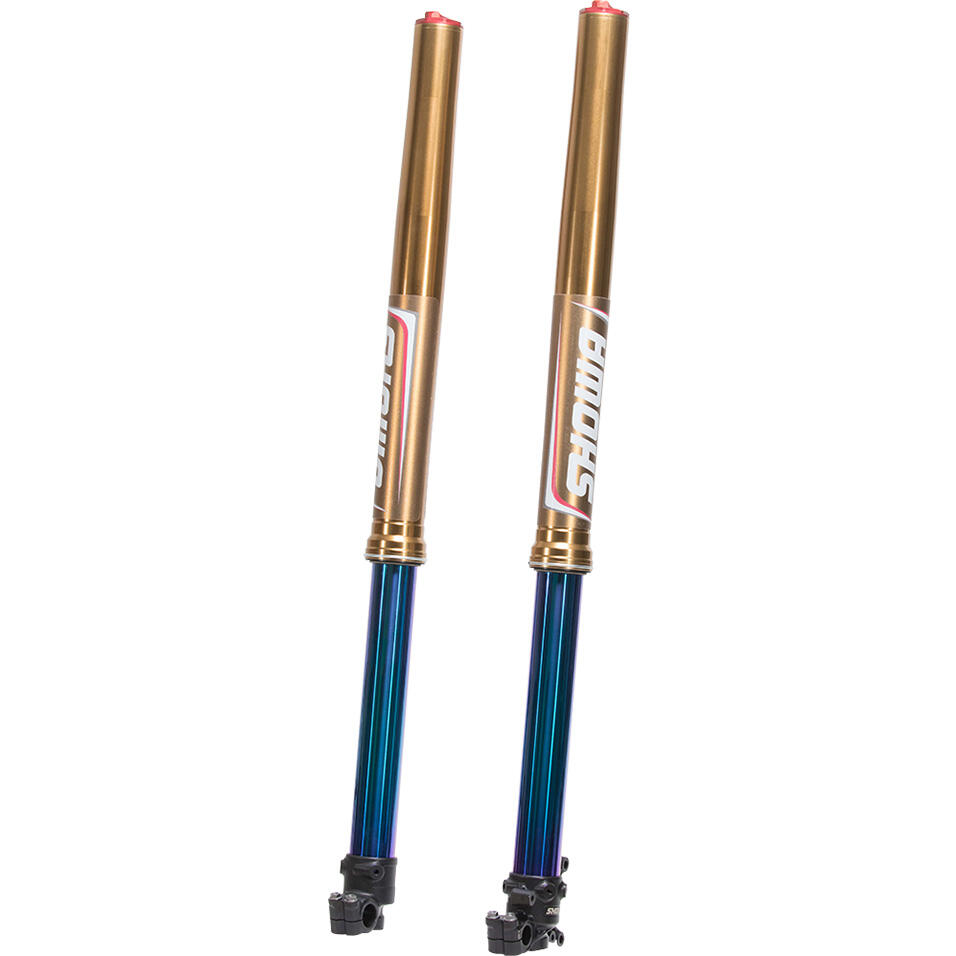
Inverted Telescopic Type
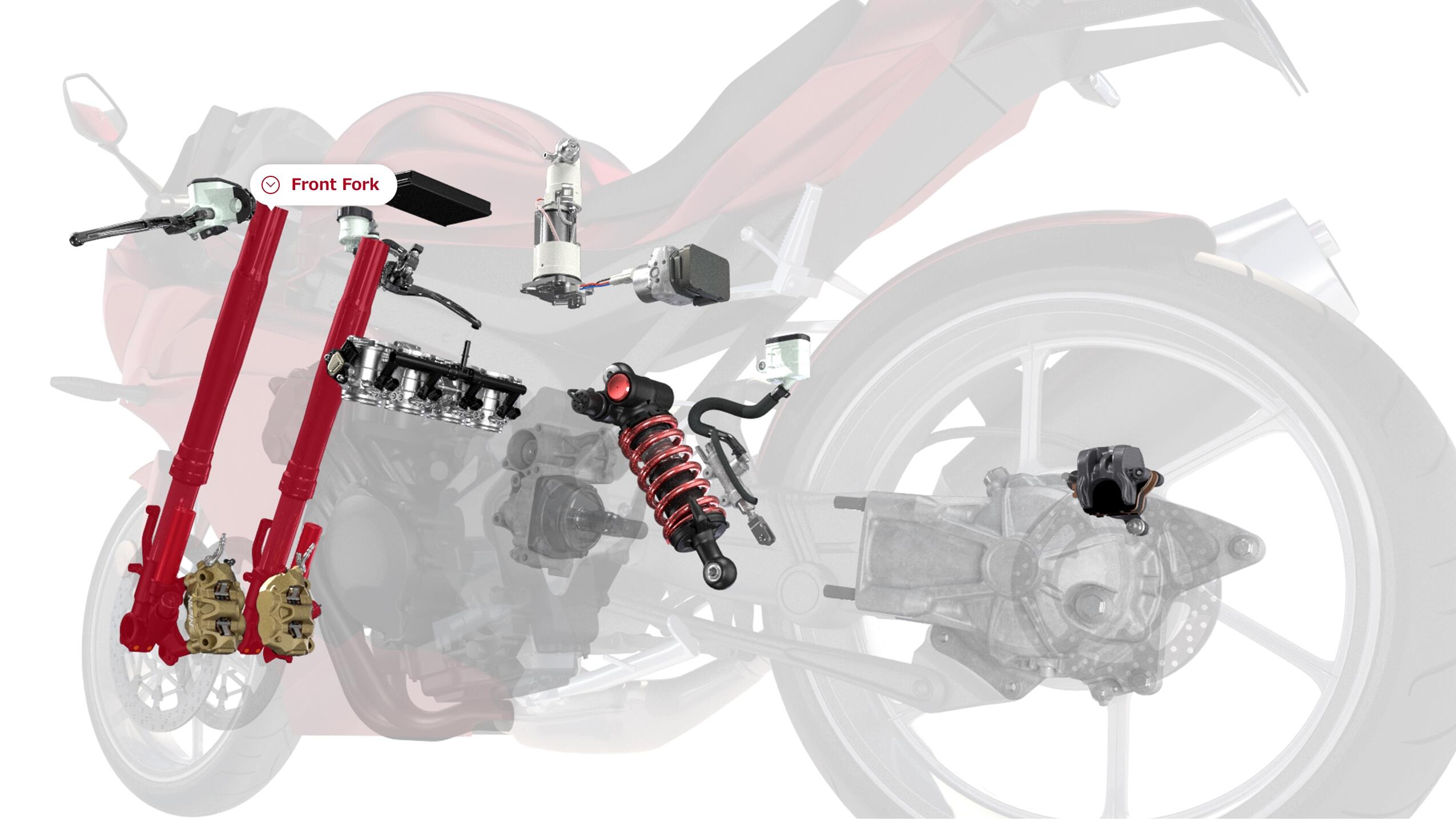
The outer tube is located above and the inner tube below, the structure is highly rigid and capable of producing a consistent damping force. Balance of vehicle frames is maintained providing stability and on straight courses as well as when turning.
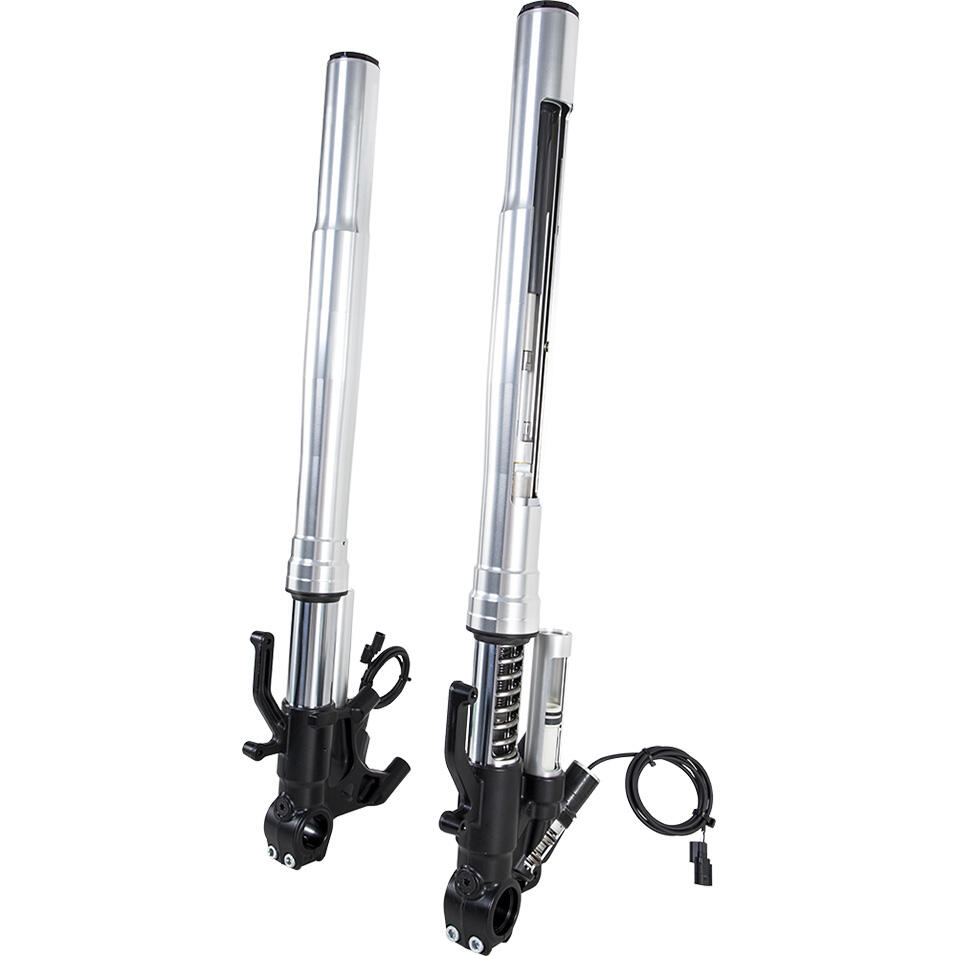
Electronically Equipped Ride Adjustment
We have independently developed electronically controlled hydraulic valves for motorcycles. Traditionally, these valves were often converted from prior automobile use. By adopting characteristics optimized for motorcycles, the product achieves superior operation stability and ride comfort.
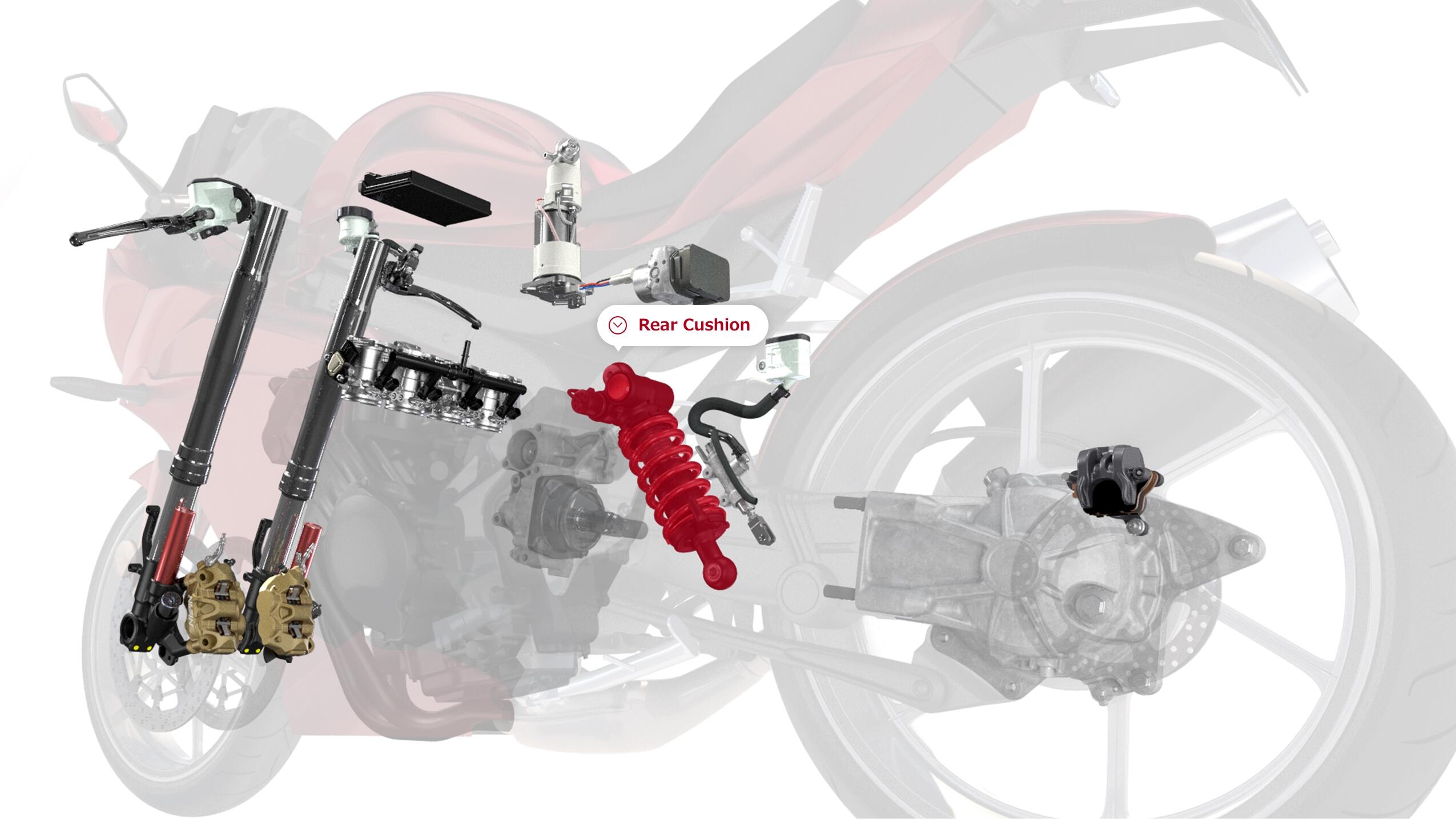
Rear Cushion
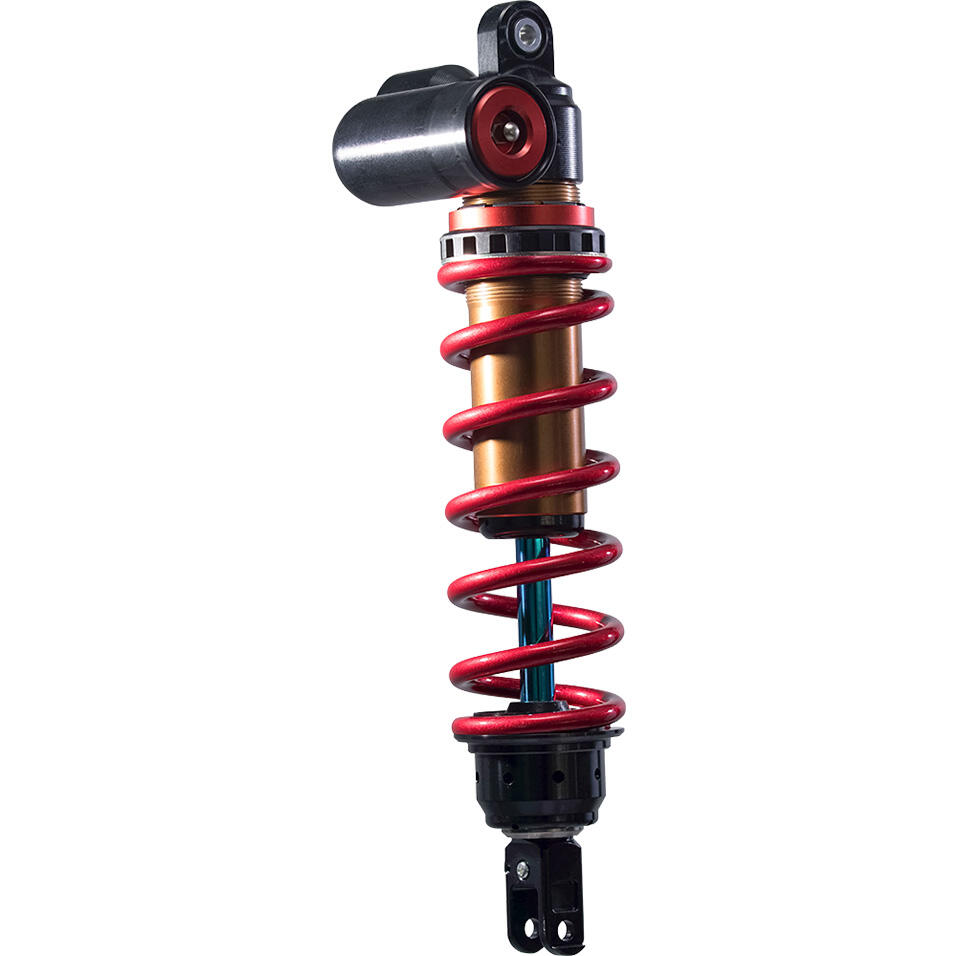
Single Tube Type
High performance is achieved due to construction of separate oil and air chambers. Vehicle posture is maintained and shock from rough roads are eased.
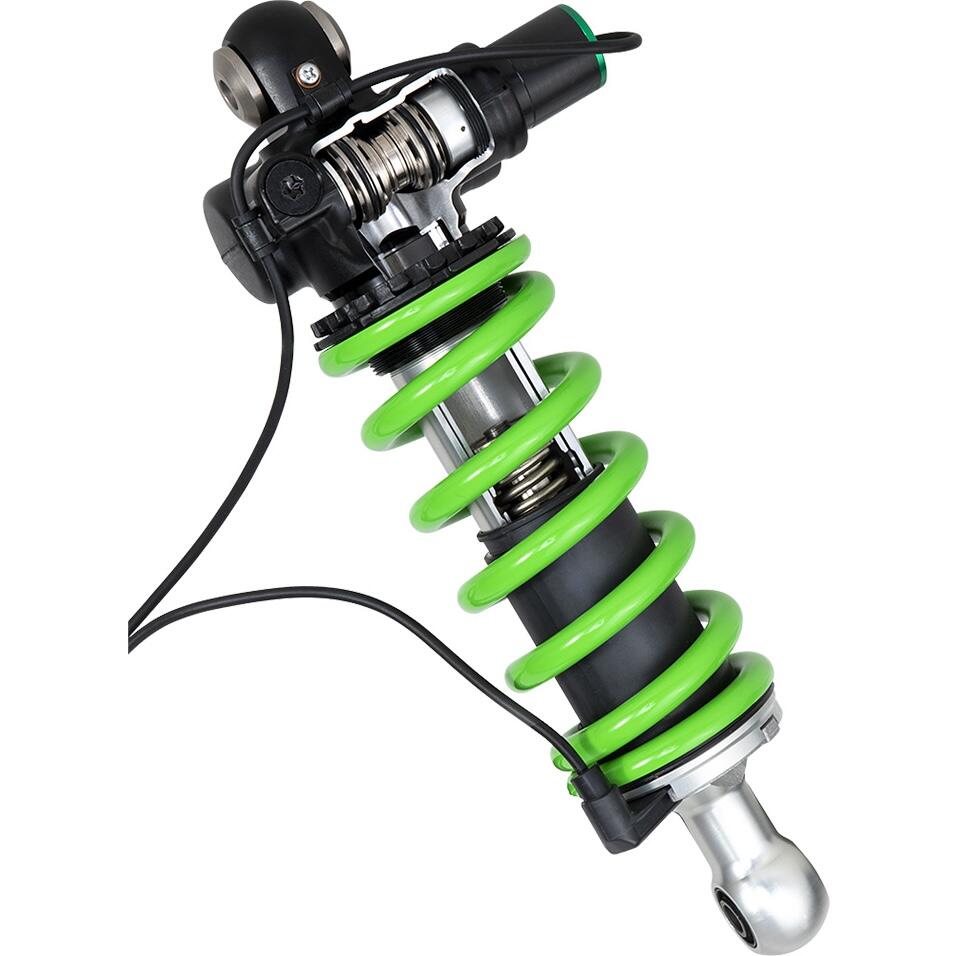
Electronically Equipped Ride Adjustment
We have independently developed electronically controlled hydraulic valves for motorcycles. Traditionally, these valves were often converted from prior automobile use. By adopting characteristics optimized.
Brake Systems
Anti-lock Brake System
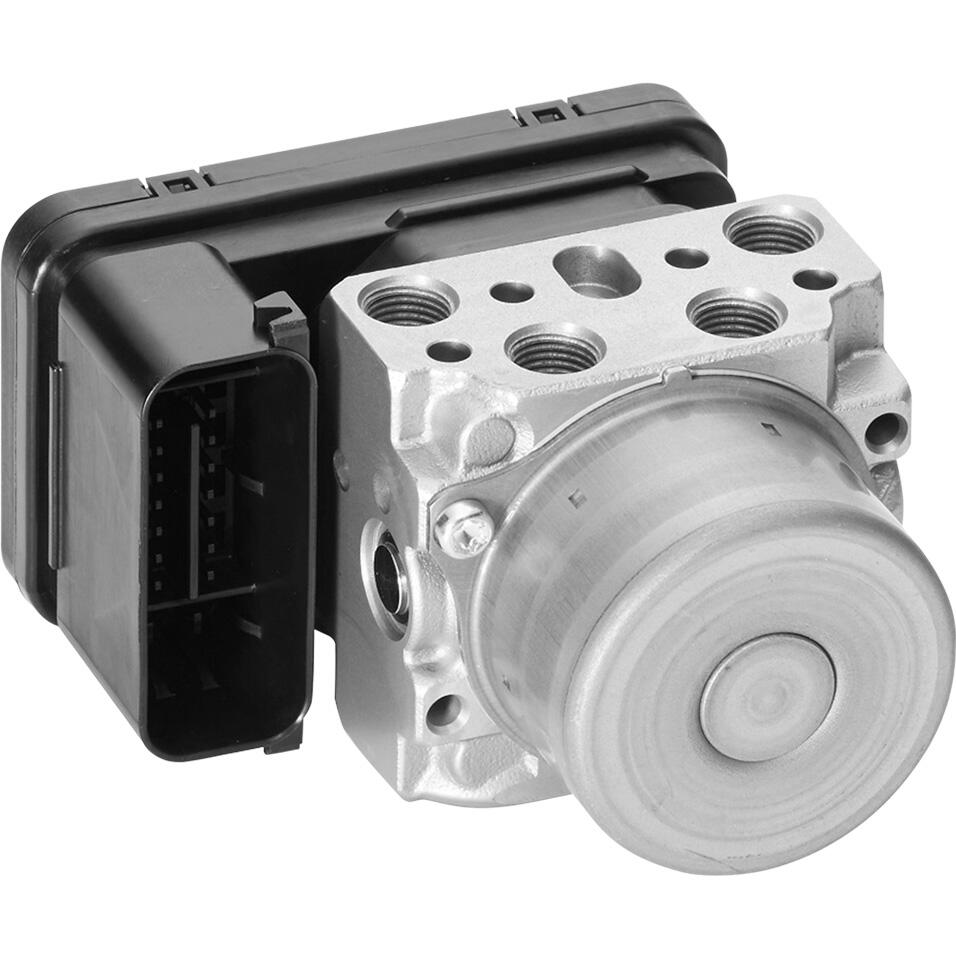
Anti-lock Brake System (ABS) <2ch>
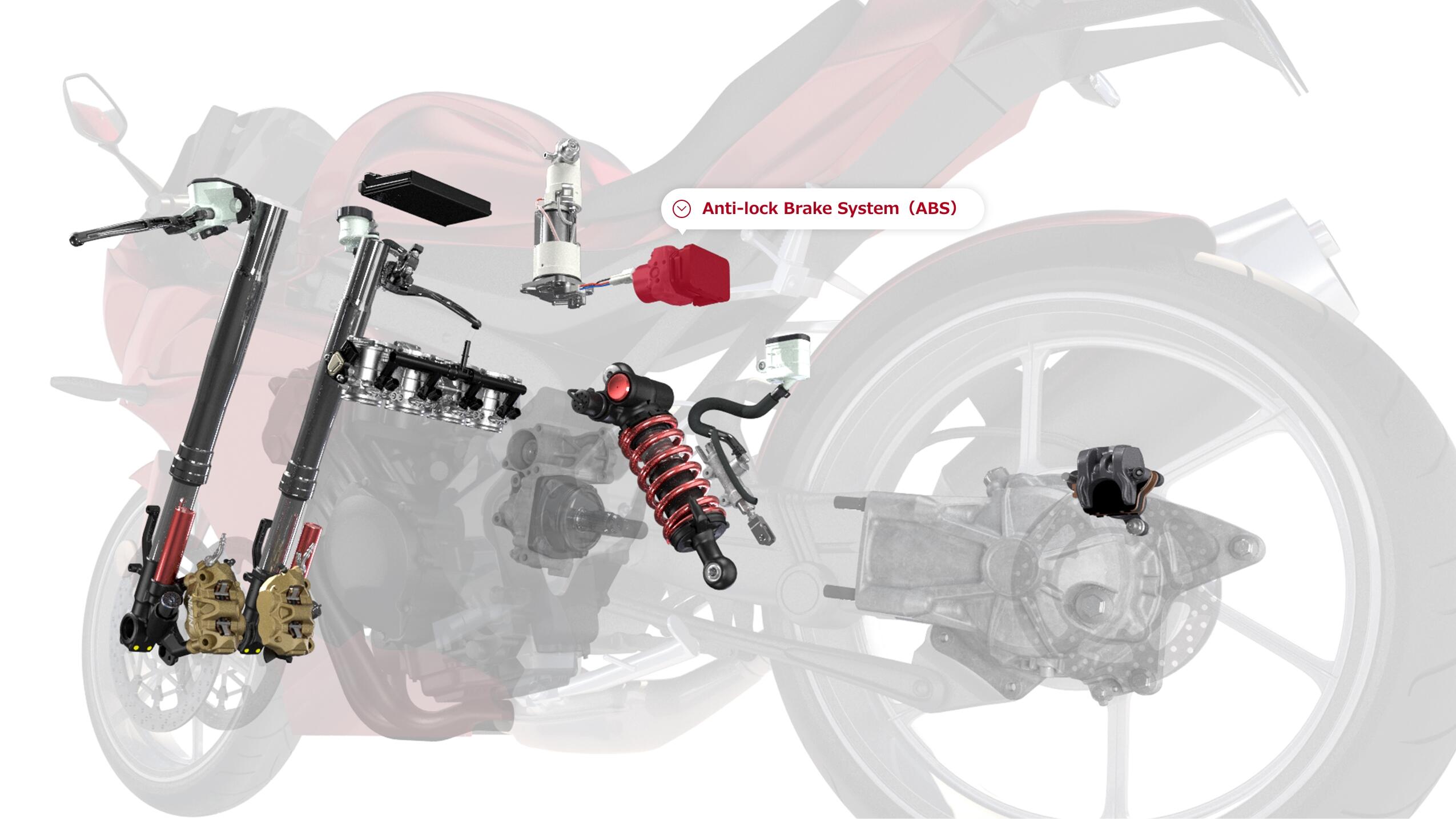
This system is designed to prevent the tires from locking up, even when braking on slippery surfaces. By controlling two systems (front and rear wheels), advanced vehicle body control technology is achieved, providing safety and security.
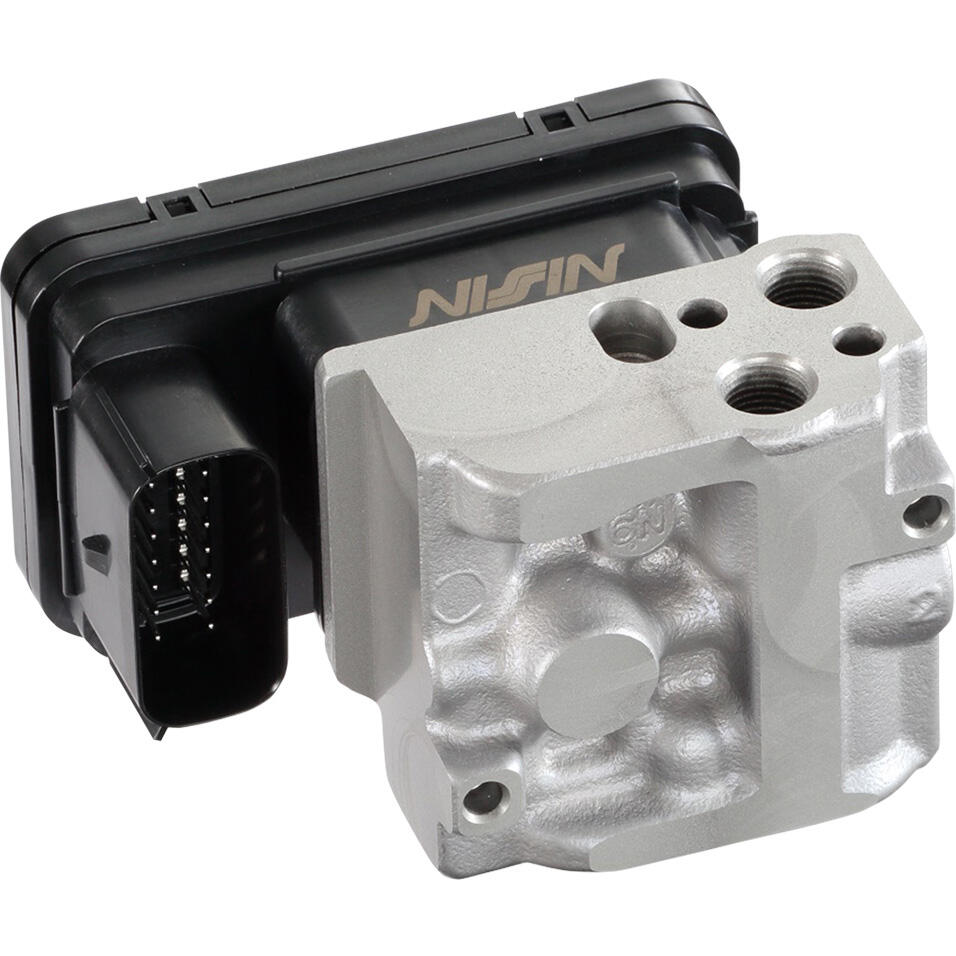
Anti-lock Brake System (ABS) <1ch>
This system is designed to prevent the tires from locking up, even when braking on slippery surfaces. By controlling one side (front or rear wheels), the system is compact and lightweight, and offers a wide range of safety technologies.
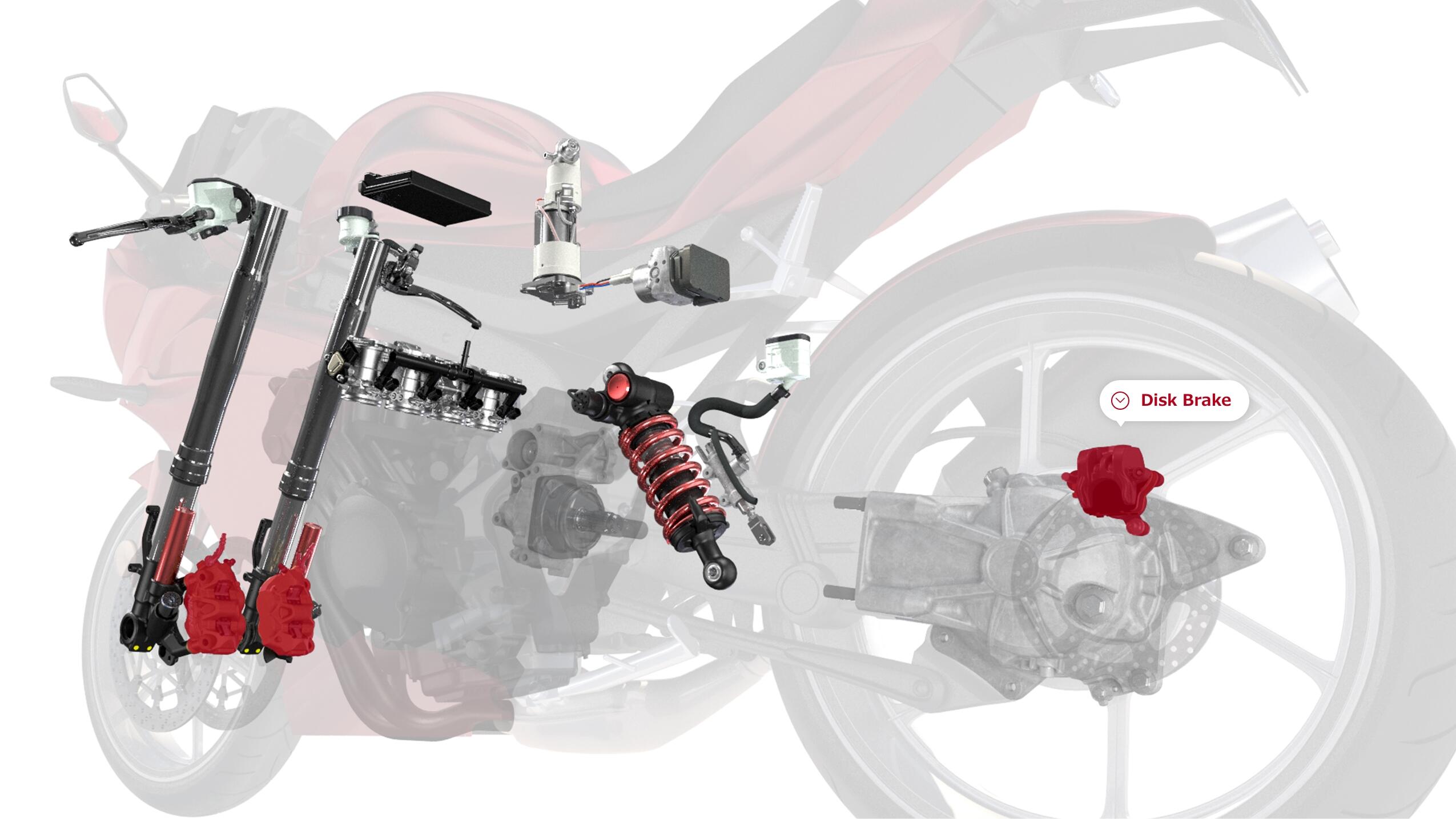
Disk Brake
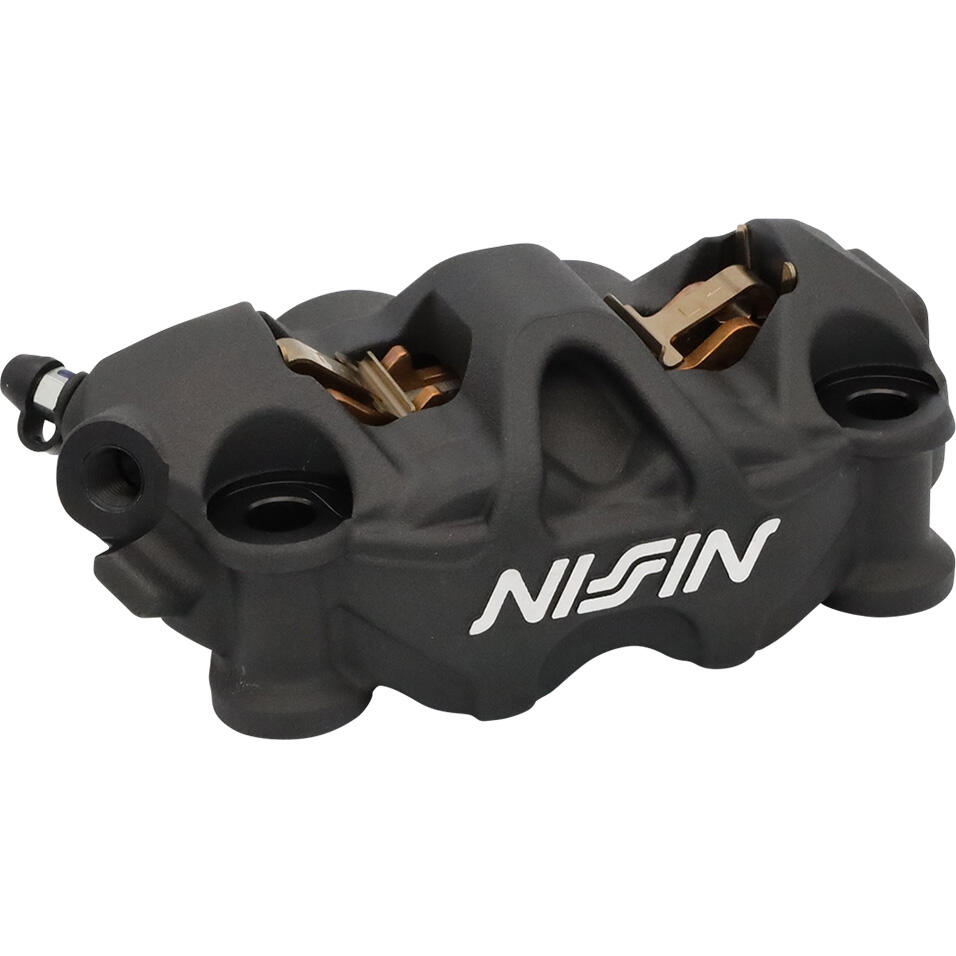
Disk Brake (front)
This device achieves braking by squeezing the disk plate, which rotates together with the front wheel, against the friction components (brake pads). Incorporating the brake technology cultivated in the world's most prestigious races, it is lighter, more rigid and more effective.
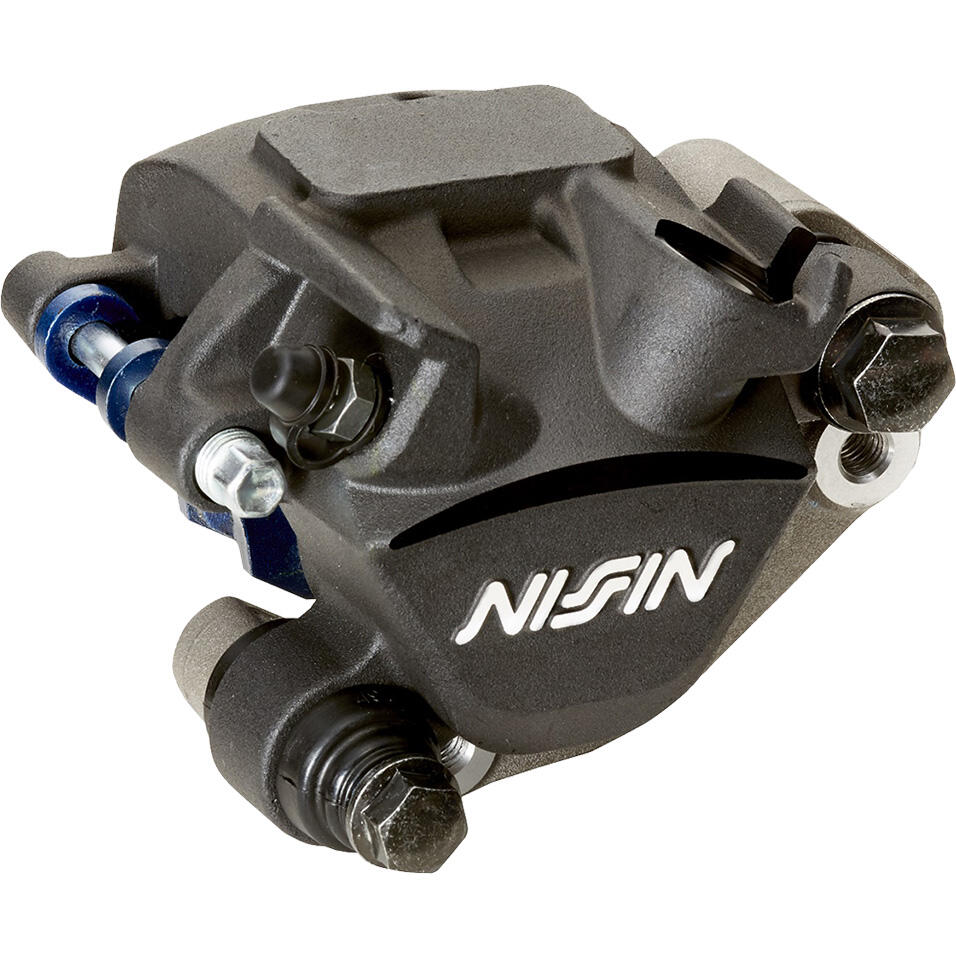
Disk Brake (rear)
This device achieves braking by squeezing the disk plate, which rotates together with the rear wheel, against the friction components (brake pads).
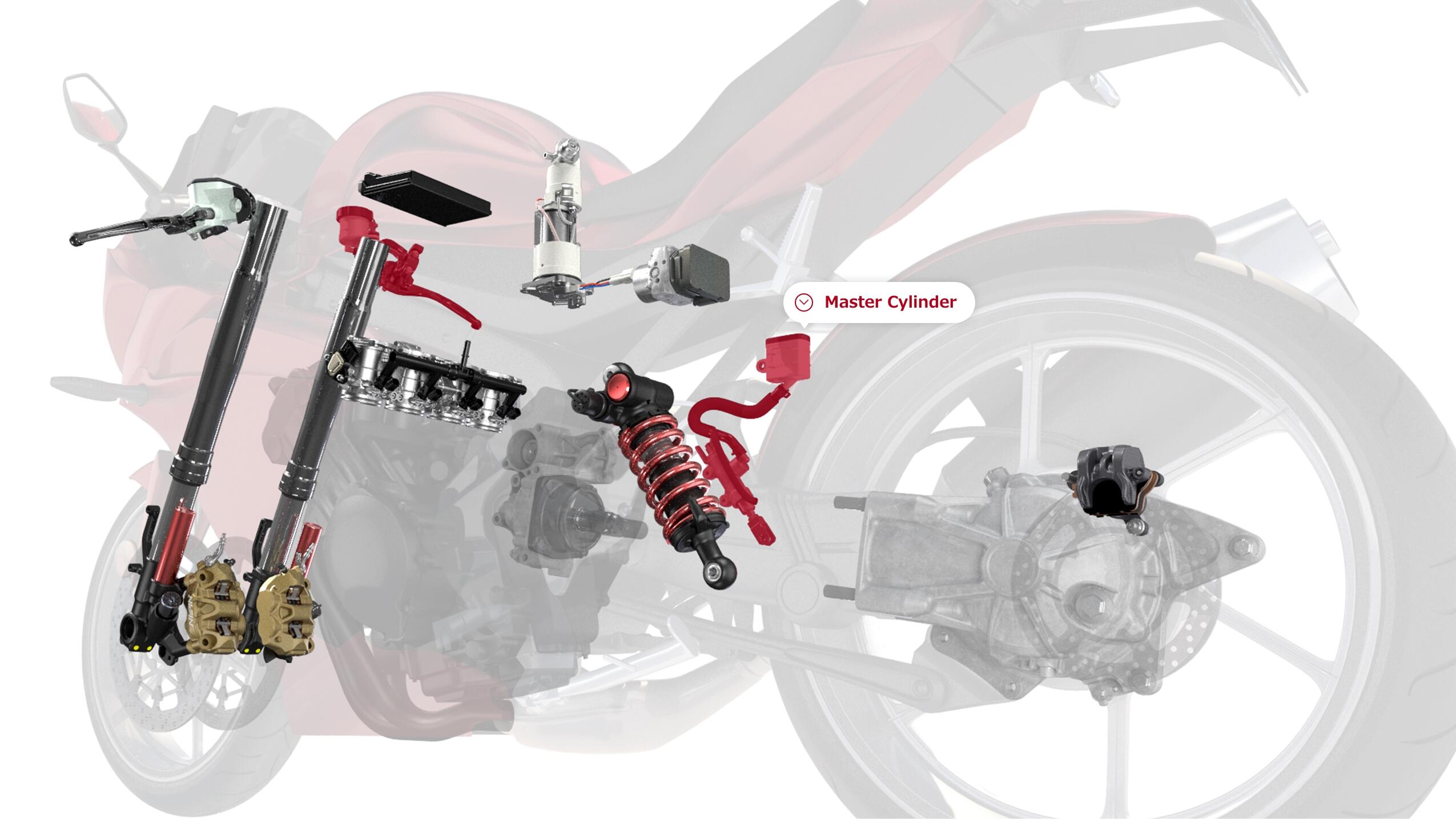
Master Cylinder
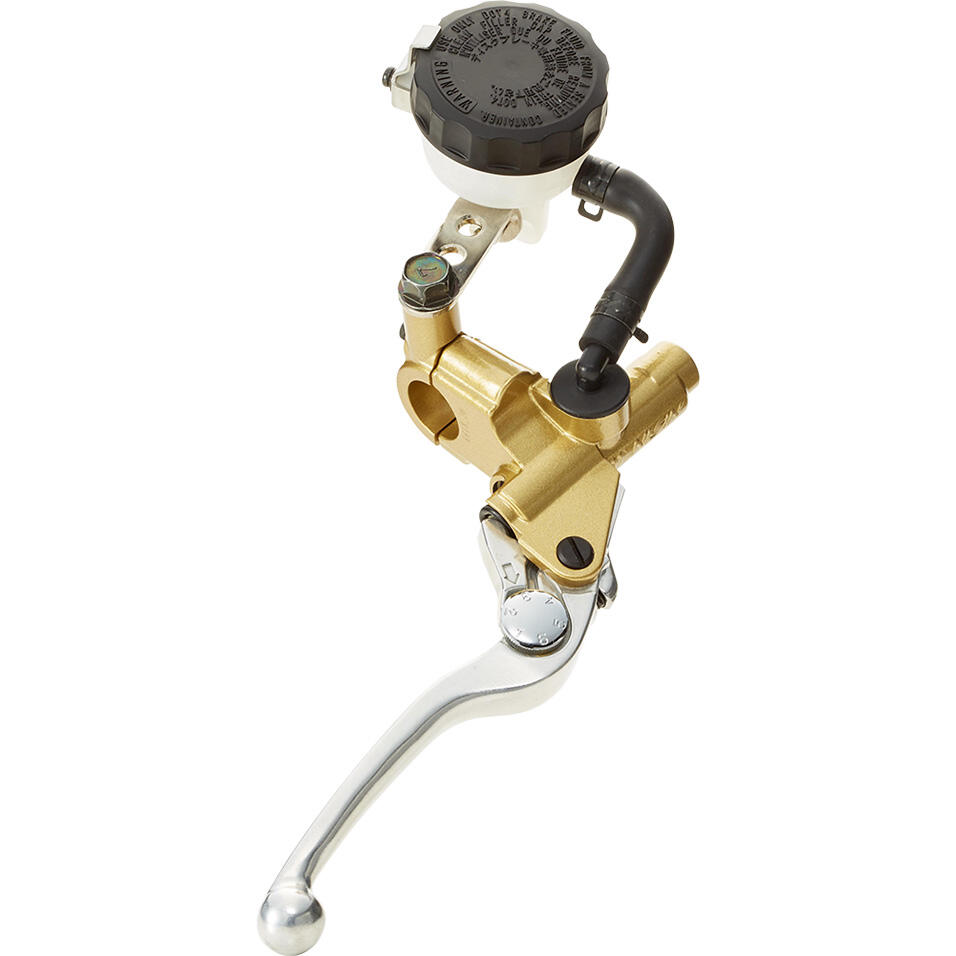
Brake Master Cylinder (front)
The device generates hydraulic pressure when the rider pulls the lever. The hydraulic pressure is transferred to the disk brakes. The brake technology and know-how cultivated in racing are incorporated into the specifications to achieve the characteristics demanded by riders today.
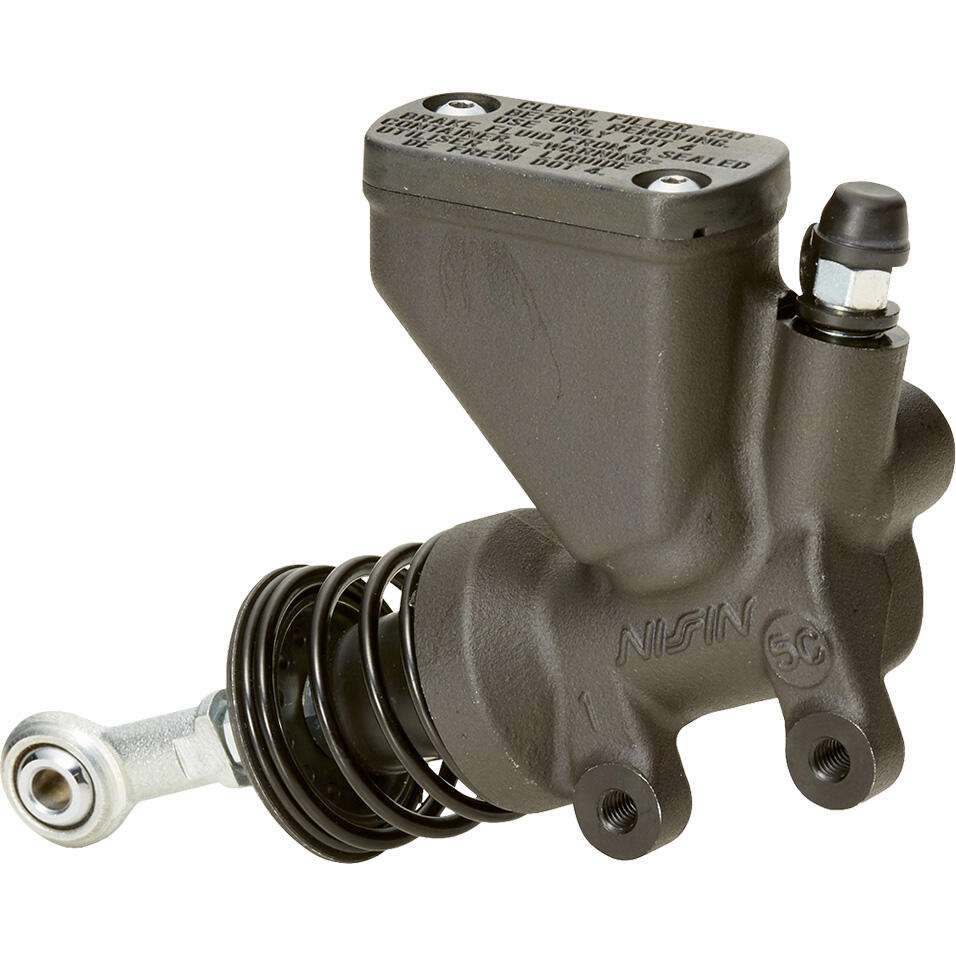
Brake Master Cylinder (rear)
This device generates hydraulic pressure when the rider depresses the pedal. This hydraulic pressure is transferred to the disk brakes (rear).
Improvements in shape and product placement have resulted in improved mountability and weight reduction.